Faculty of the Institute
The Institute's faculty represents a curated group of practitioners who have abandoned conventional wisdom in favor of philosophical clarity.
Each member has made the migration from transactional thinking to structural thinking from asking "what products should I sell?" to asking "what architecture should exist?"
The Doctrine
These are not advisors who happened to learn tax strategy. These are architects who discovered that most wealth destruction occurs not from poor investment returns, but from structural illiteracy the inability to see that ownership, control, and taxation are separable variables in a well-designed system.

Jeffrey Thompson
Faculty Lead - Strategy Curation & System Integration
FLMI, ALM, ARA, ACS, ARA, AIAA, CSA, CAS, LTCP
Jeff operates as the Institute's lead curator of advanced tax strategies, ensuring alignment across disciplines and preventing the drift toward isolated solutions. His work focuses on synthesizing complex planning disciplines tax positioning, distribution strategy, structural wealth mapping into coherent advisory frameworks that can be implemented without compromising philosophical integrity.
Rather than promoting isolated solutions, Jeff's role is to ensure coherence across the Institute's frameworks identifying where strategies interact, where execution standards must be elevated, and where advisors need structural support to avoid reverting to transactional habits. He ensures that strategies remain aligned with doctrine, not diluted by implementation convenience.

Daniel Hanzelka
Founder, Institute of Untaxable Wealth
Recovering CFP | Doctrine & Asset Architecture
Daniel founded the Institute after recognizing that the advisory industry had become intellectually trapped most practitioners remain unaware that the systems they operate within were designed to serve distribution, not optimization. His work bridges philosophical clarity with structural financial application, helping advisors and business owners transition from transactional thinking to architectural thinking.
Within the Institute framework, Daniel's contribution centers on wealth discovery the realization that most people are wealthier than they know, but poorer than they could be, because they confuse net worth with structural positioning. He teaches that ownership, control, and taxation are separable design variables, and that understanding this separation is the foundation of untaxable wealth.
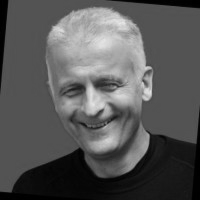
Andrej Kandus
Faculty Contributor - Contextual Wealth Structuring
Chartered Tax Counselor | Strategic Wealth Structuring
Andrei focuses on tax-aware wealth structuring and integrated advisory frameworks recognizing that strategies deployed without contextual awareness often create more problems than they solve. His work emphasizes the importance of understanding client positioning, asset structure, and legacy strategy before introducing tactical interventions.
He contributes practical application insight drawn from implementing advanced planning concepts within real-world advisory environments. Rather than treating planning as theoretical, Andrei's frameworks bridge doctrine with execution helping advisors understand how to position sophisticated strategies without overwhelming client capacity or compromising structural integrity.
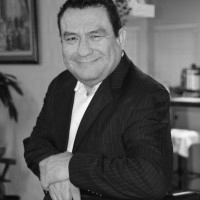
Miguel A. Palma
Faculty Contributor - Accounting & Technical Strategy
Certified Public Accountant | Technical Interpretation & Advanced Analysis
Miguel provides technical accounting interpretation and advanced tax analysis—ensuring that the Institute's structural strategies remain compliant, defensible, and executable within existing regulatory frameworks. His role within the Institute focuses on clarifying the technical boundaries of sophisticated planning, distinguishing between aggressive positioning and reckless non-compliance.
He helps advisors understand that regulatory nuance, entity structure implications, and technical compliance boundaries are not obstacles to overcome—they are constraints that define the design space. Sophisticated strategies are examined through a disciplined accounting and regulatory lens, ensuring structural integrity at every layer
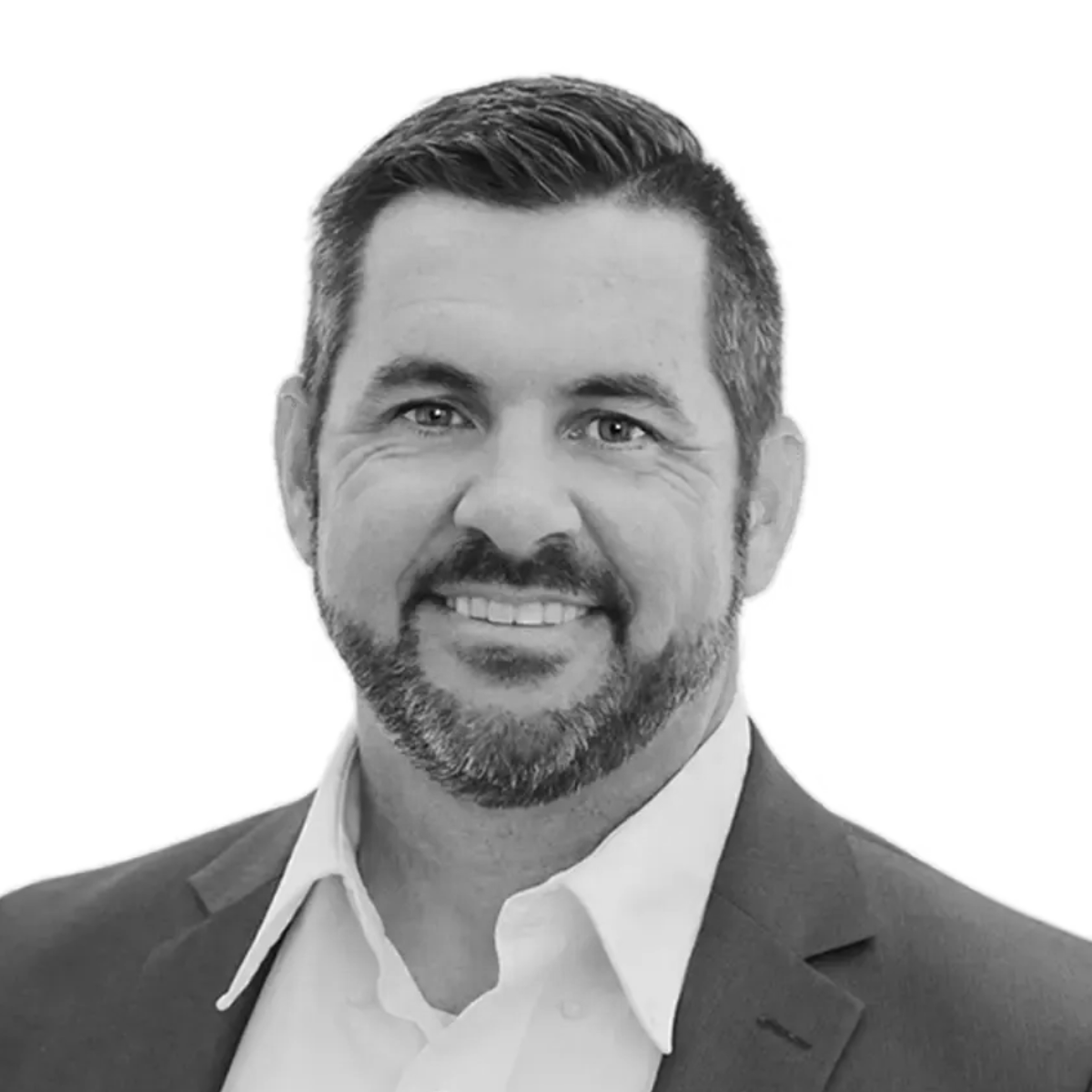
Chad Free
Faculty Contributor - Cash Flow & Control Strategy
Specialist in cash flow architecture and wealth control frameworks
Chad specializes in cash flow architecture and wealth control frameworks translating advanced strategic theory into actionable planning processes for independent advisory practices. His work helps advisors move beyond conceptual understanding toward executable implementation, ensuring that sophisticated strategies can be deployed without requiring institutional-scale infrastructure.
He contributes applied field insight to the Institute's frameworks
understanding that even the most elegant strategies fail if advisors lack the operational capacity to implement them. Chad's focus is on ensuring theory remains actionable, helping practitioners bridge the gap between doctrine and deliverable client outcomes within their existing practice structures.
The Institute evaluates and curates select strategies developed or utilized by faculty members. Availability and implementation occur through aligned professional pathways and remain subject to regulatory and licensing requirements.
Copyright 2026. The Institute Of Untaxable Wealth. All Rights Reserved.
The content provided on this website, including any articles, press releases, or educational materials, is intended for general informational purposes only. It should not be interpreted as tax, legal, or financial advice. The Institute of Untaxable Wealth does not offer tax preparation, legal counsel, or financial advisory services. Visitors are strongly encouraged to consult with qualified tax professionals, attorneys, or financial advisors before making any decisions based on the information presented here.